
Our curated journeys blend understated elegance with immersive cultural discovery, ensuring every moment is quietly extraordinary. Each itinerary is handcrafted by seasoned specialists who pair insider access with meticulous attention to detail.
COLOMBIA
CARIBBEAN COAST

The Caribbean is one of the most culturally layered parts of Colombia, shaped by Indigenous, African, European, Middle Eastern, and other immigrant communities who arrived through its ports and made the coast their home.
Cartagena and Santa Marta were important gateways to the country for centuries, and that history of movement and exchange can still be felt in the region’s food, music, architecture, and open, welcoming character. Here, Colombia feels distinctly Caribbean—connected to the wider world while deeply rooted in its own traditions.
-
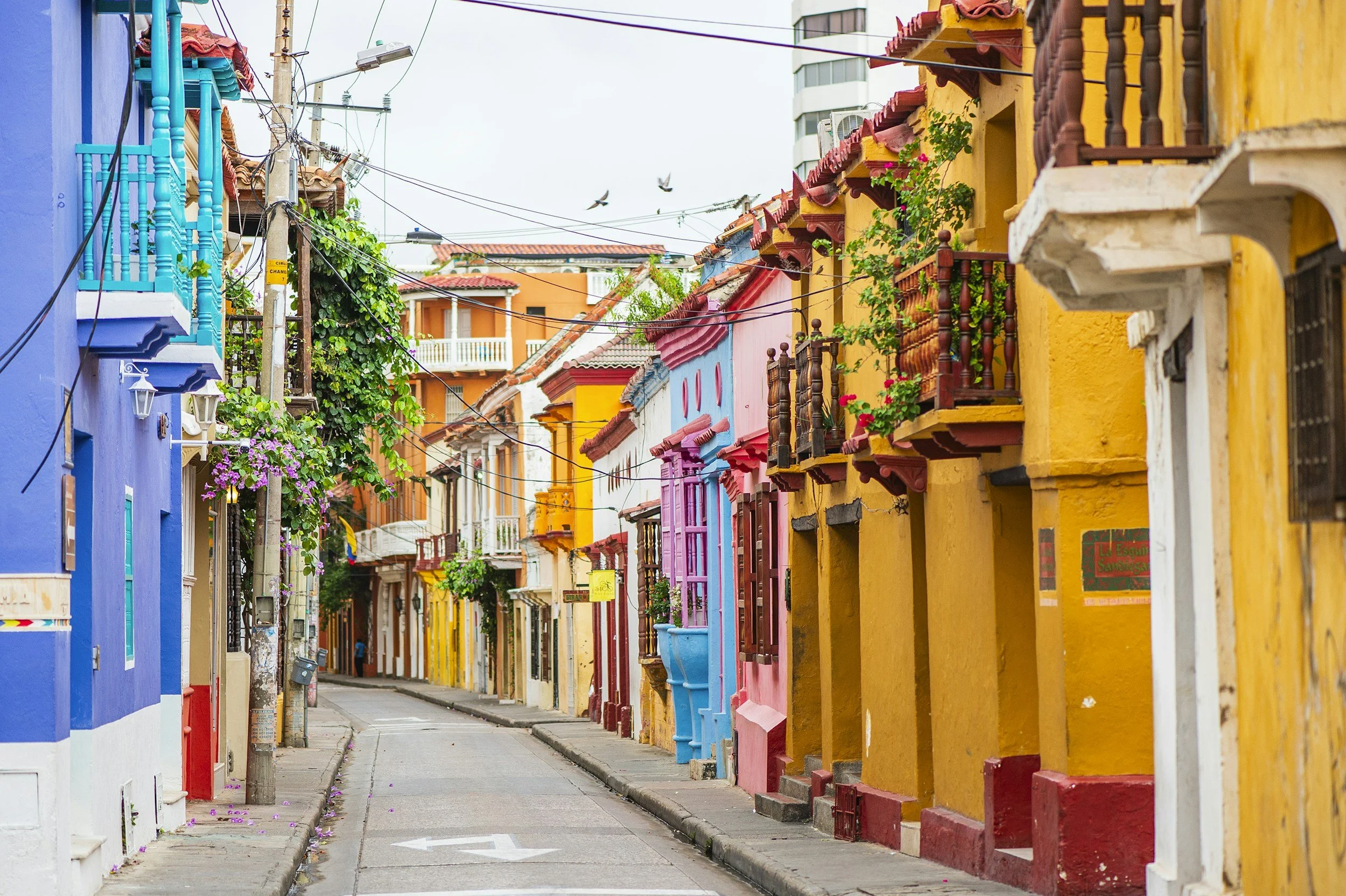
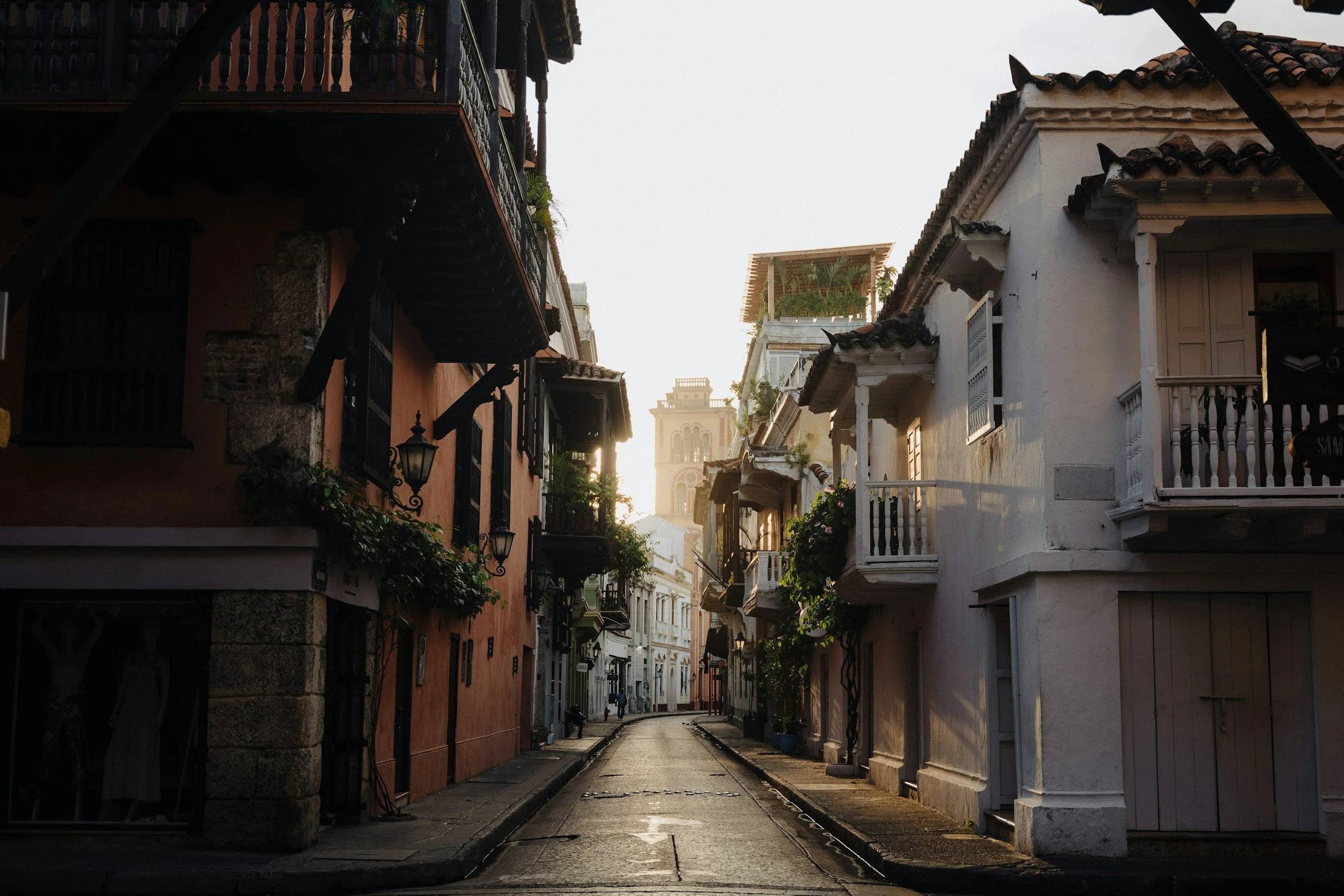
Cartagena brings together centuries of history with the unmistakable energy of the Caribbean. Its walled city, colorful streets, lively plazas, and Afro-Caribbean traditions give it a character that is deeply Colombian and distinctly coastal. Beyond the city, the Rosario and San Bernardo Islands offer a slower rhythm, shaped by warm waters, coral reefs, and life on the sea.
-
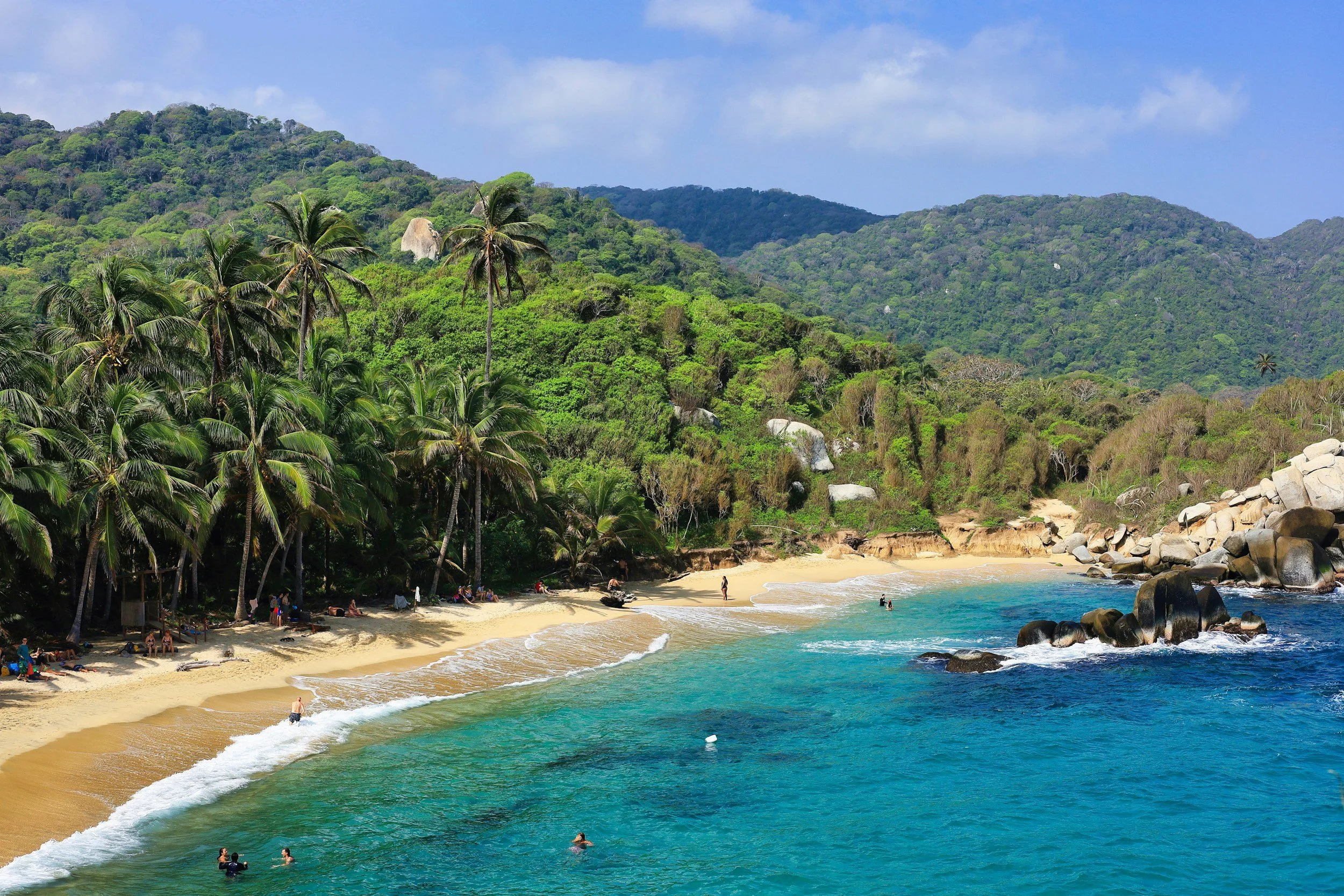
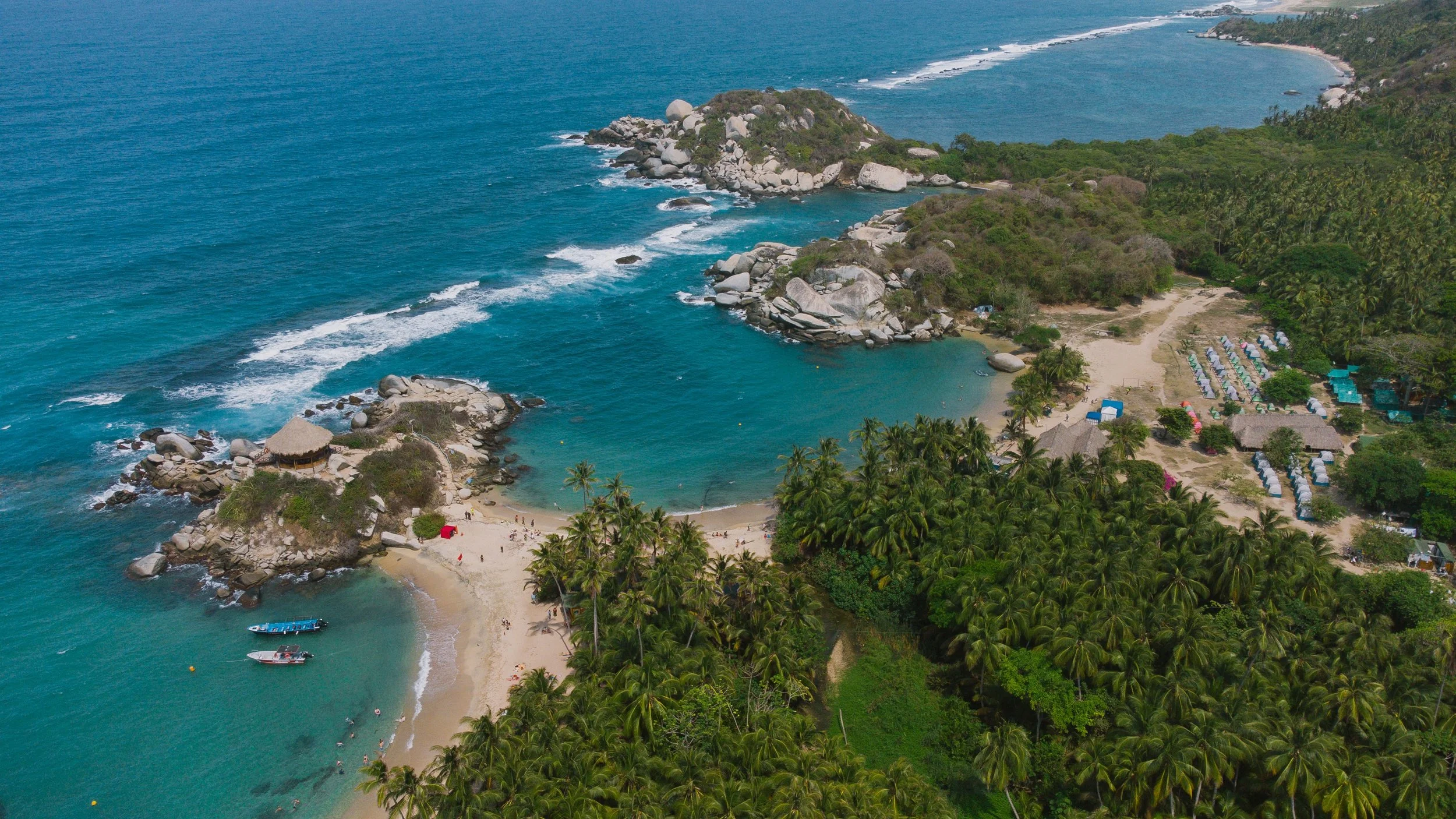
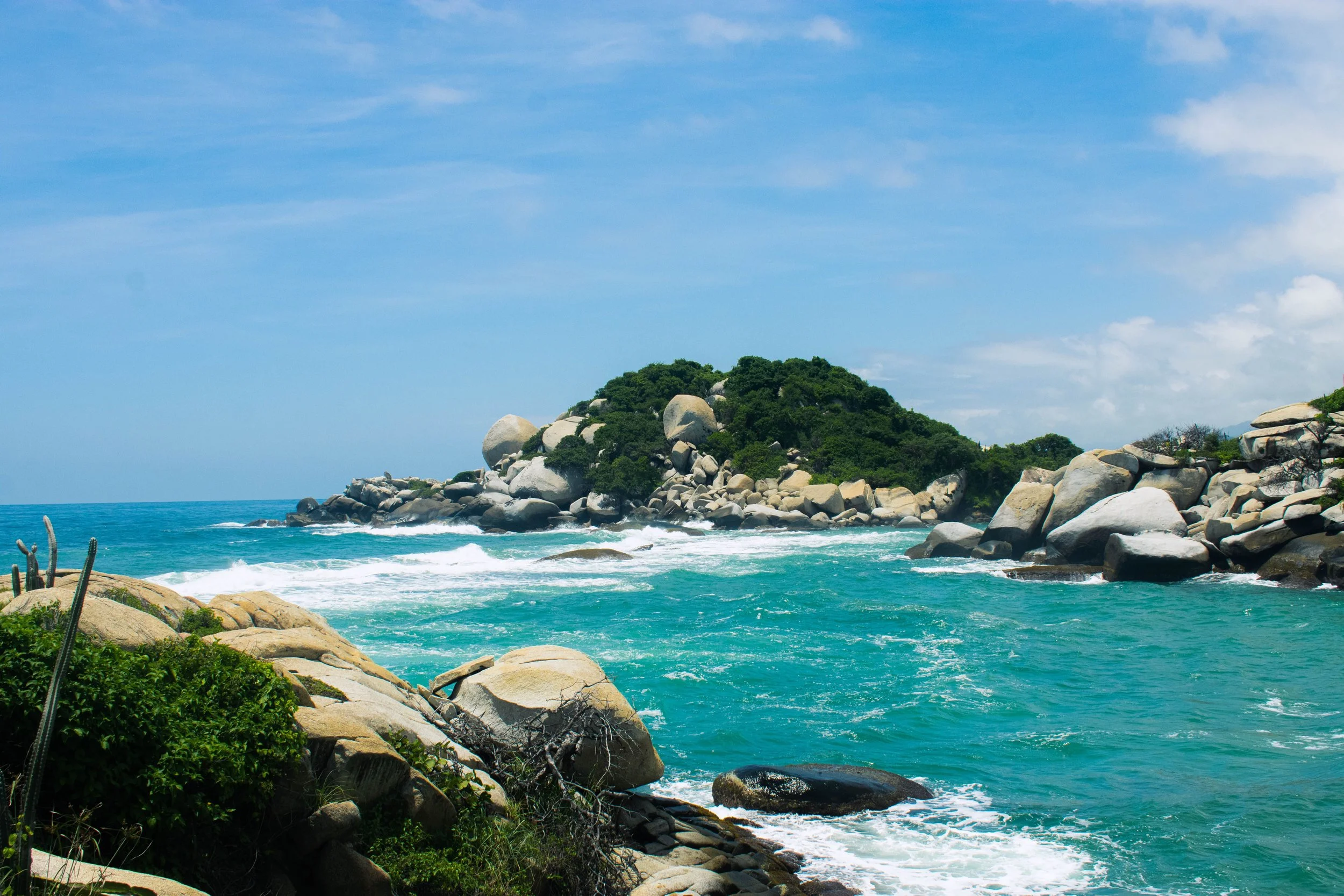
Where the Sierra Nevada meets the Caribbean, Santa Marta sits at the crossroads of remarkable landscapes and ancient cultures. The region remains closely connected to Indigenous communities who have inhabited these mountains for centuries, while Tayrona brings together tropical forest, rivers, and beaches. Few places in Colombia bring nature and cultural heritage into such close proximity.
-
San Andrés has a character all its own, shaped by its Creole heritage, music, food, and traditions rooted in the wider Caribbean. Its famous seven-colored sea surrounds beaches, reefs, and mangroves, while island life moves at an easy Caribbean pace. It offers a different perspective on Colombia, one shaped as much by the sea as by the mainland.
ANDEAN HIGHLANDS

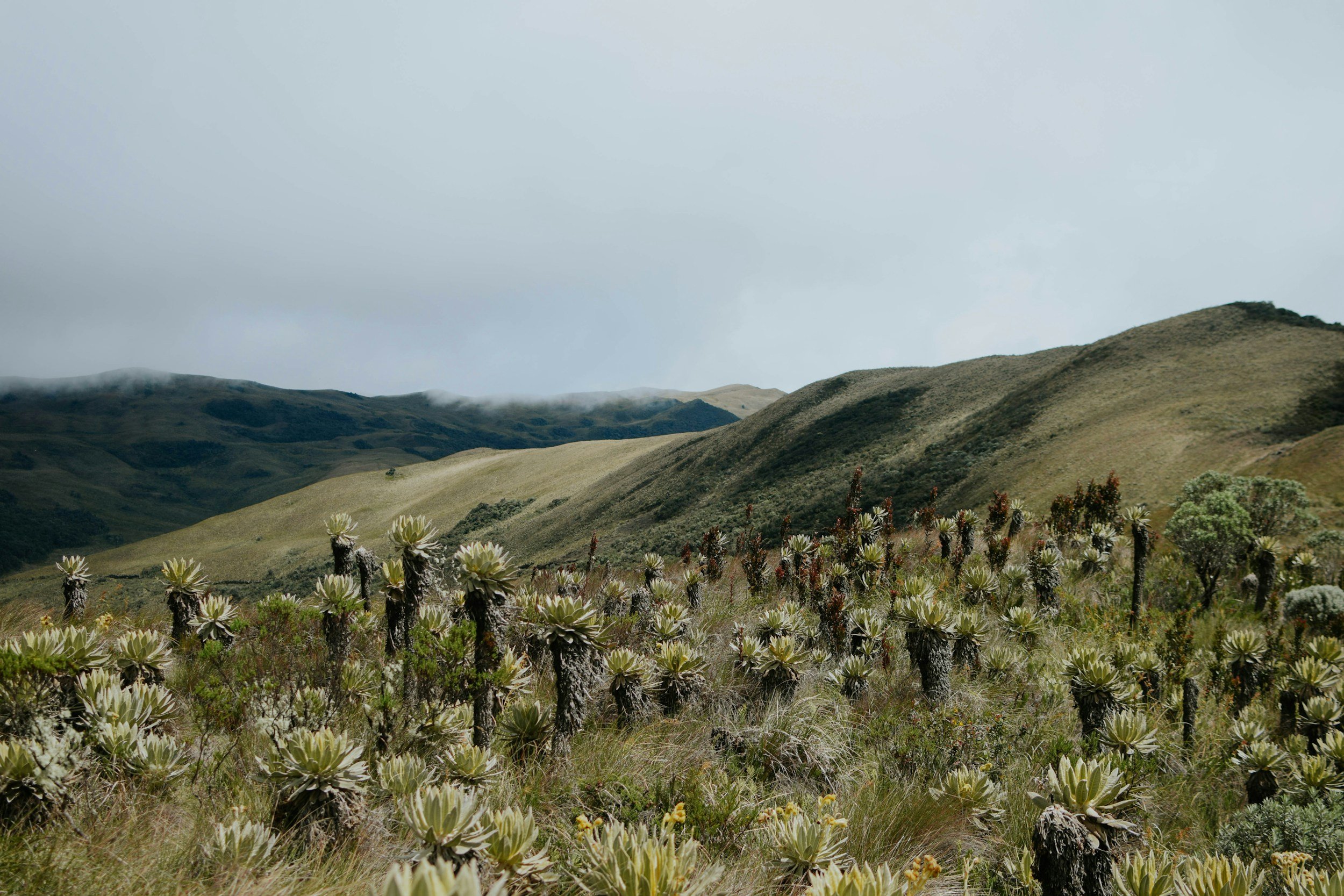
Colombia’s highlands are where much of the country’s history, creativity, and contemporary culture converge. Beyond the major cities, historic towns and rural communities reveal distinct traditions shaped by the mountains, from craftsmanship and agriculture to food, music, and local celebrations.
-
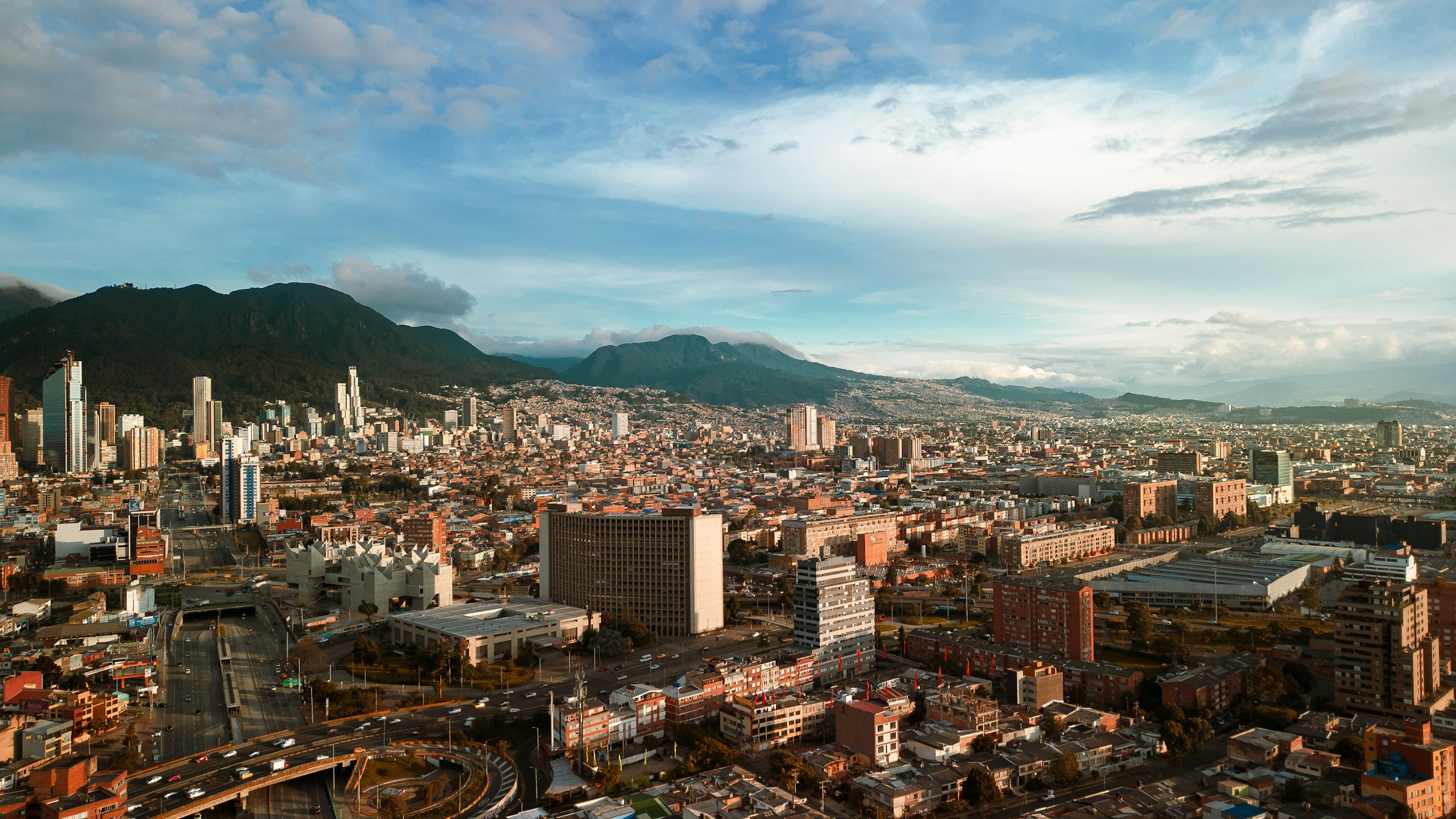
At more than 2,600 meters above sea level, Bogotá is where many sides of contemporary Colombia meet. Historic neighborhoods sit alongside ambitious restaurants, contemporary galleries, traditional markets, and a creative scene that continues to evolve. Its museums, food, and cultural life offer a window into a country constantly redefining itself.
-
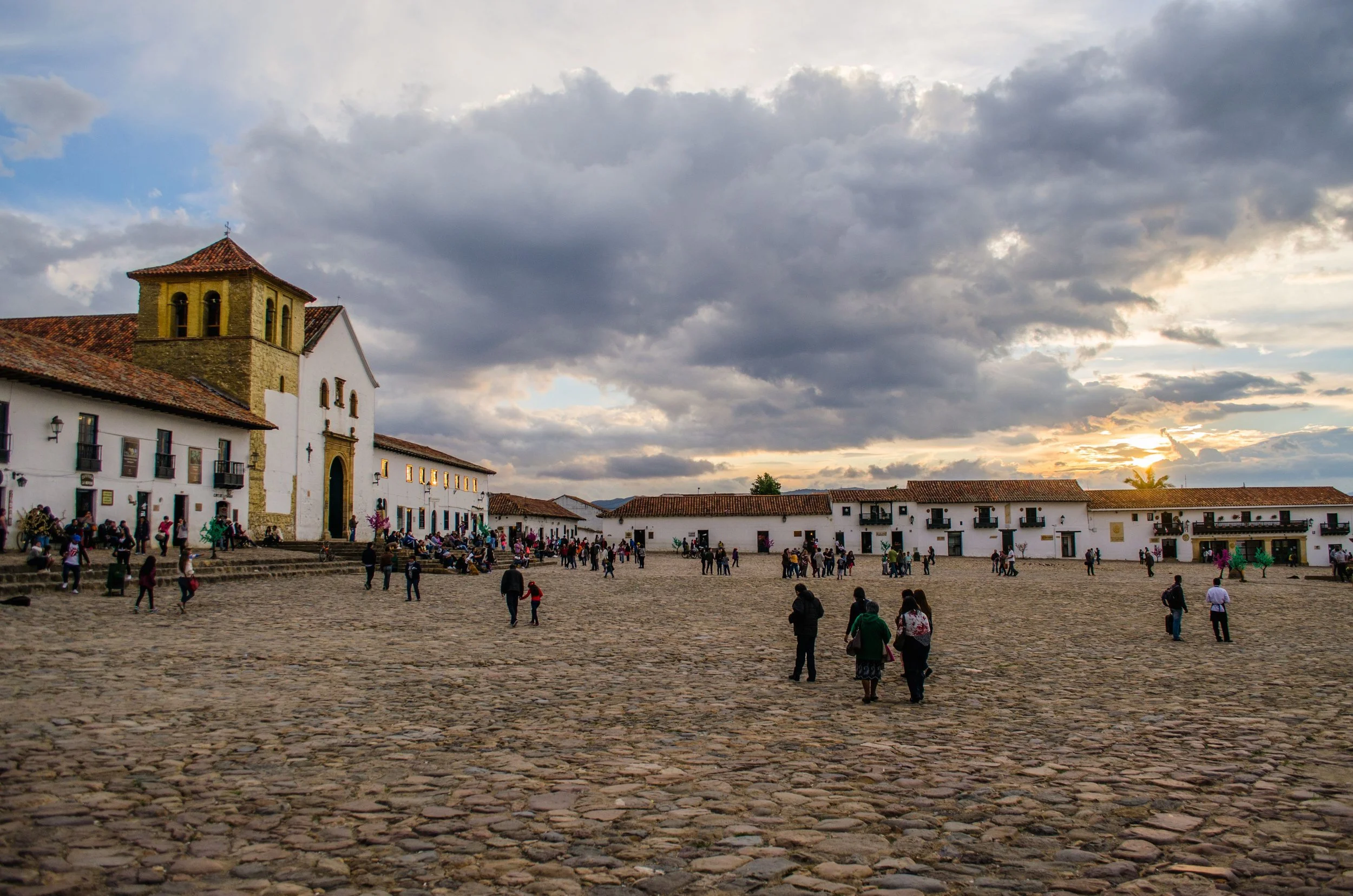
Villa de Leyva is one of Colombia’s most beautifully preserved colonial towns, known for its expansive stone-paved square and whitewashed architecture. Beyond its history, the town has a slower, rural character shaped by local artisans, regional food, and the surrounding countryside. Here, the past remains part of everyday life rather than simply something to admire.
-
Barichara is a town of warm-toned stone, quiet streets, and traditional craftsmanship, overlooking the dramatic landscapes of Santander. Its character lies in its simplicity: local artisans, regional cooking, and architecture shaped by generations of careful work. It offers a more intimate and understated side of Colombia.
-
Medellín has transformed dramatically while retaining the warmth and pride that define Antioquia. Its story of reinvention can be felt in its public spaces, art, food, design, and entrepreneurial spirit. But the city is best understood through its people—open, creative, and deeply connected to the place they call home.
-
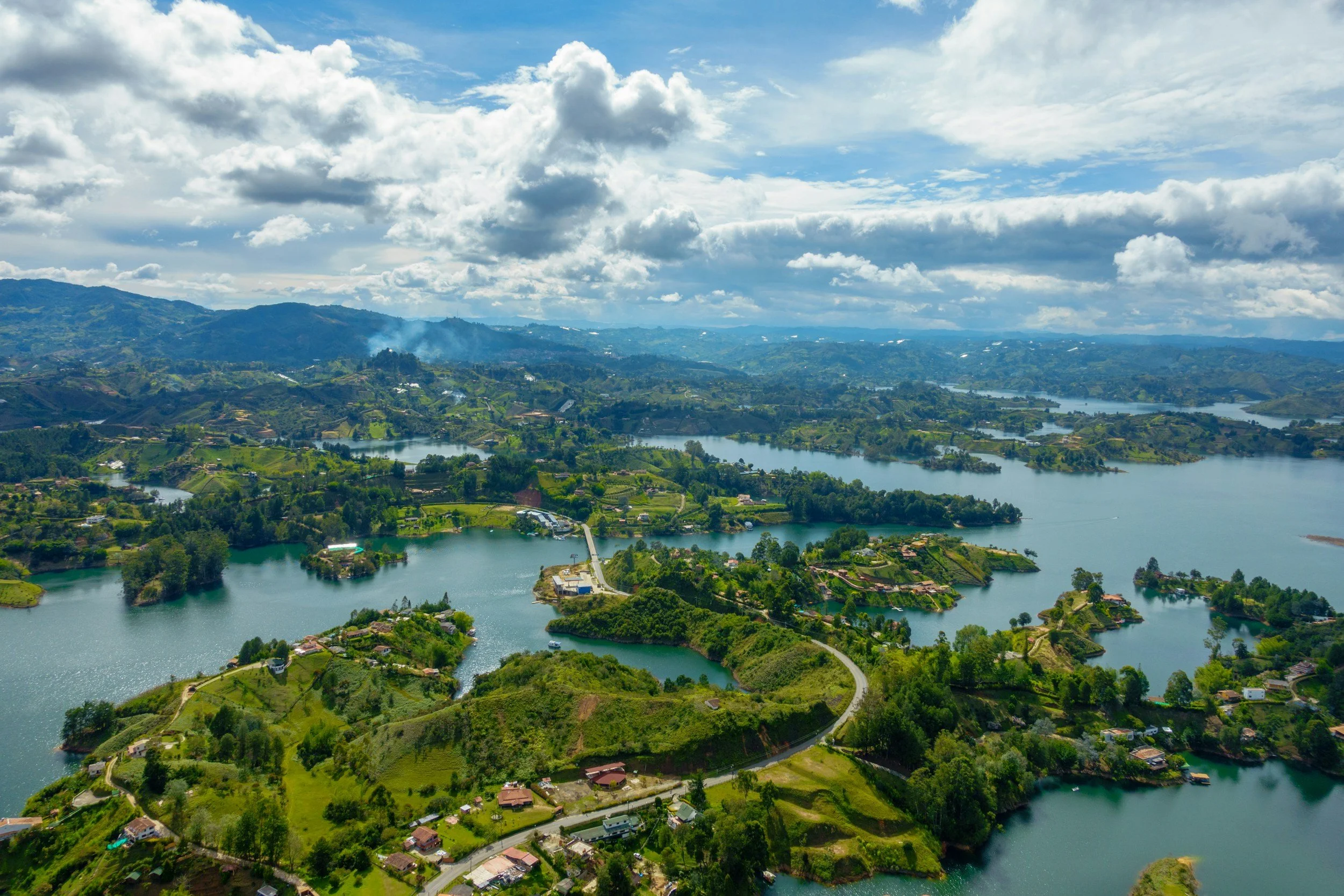
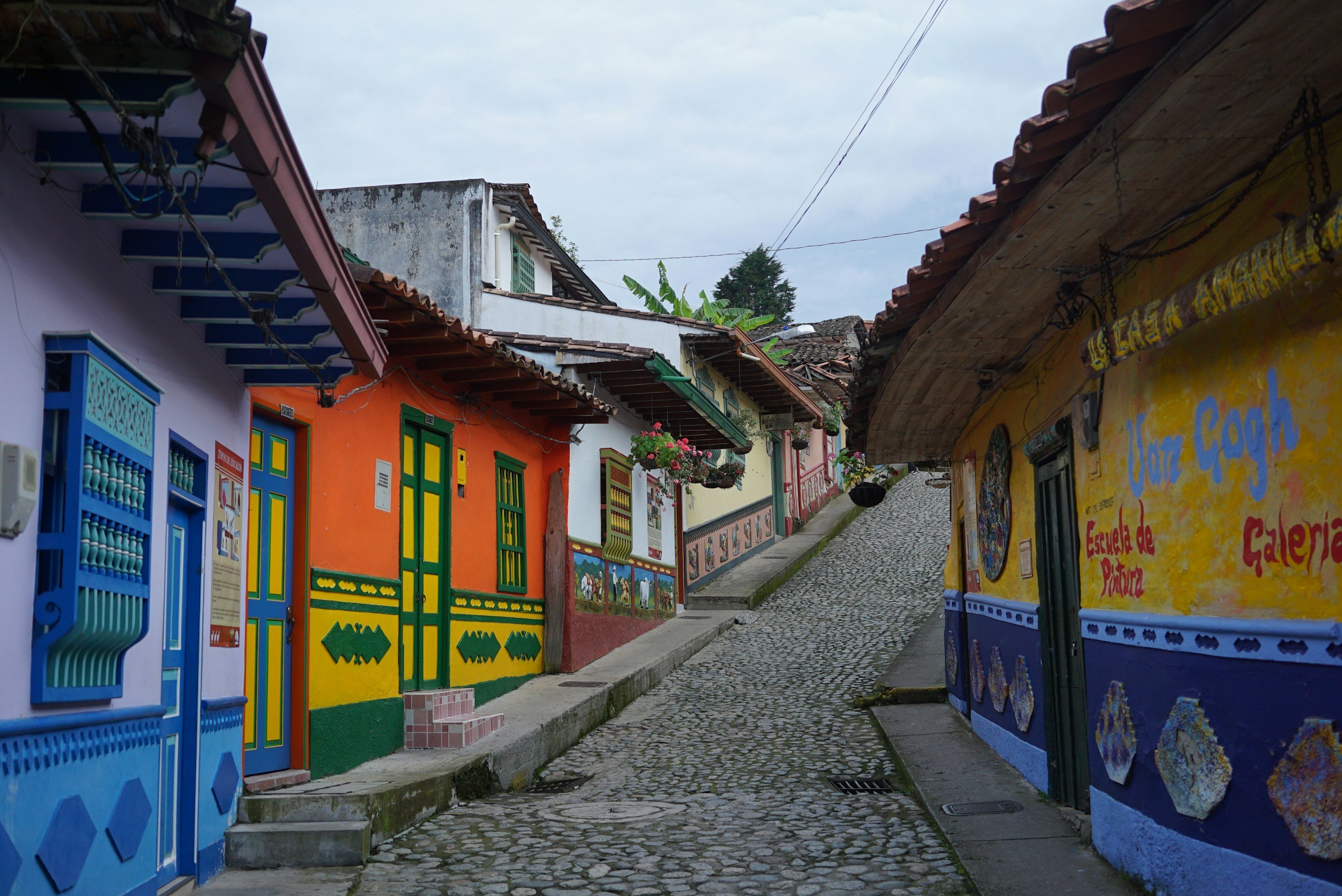
Guatapé is known for its colorful houses and distinctive zócalos, the carved and painted panels that tell stories about local families, trades, and traditions. The town sits beside a vast network of lakes and green hills, creating an unusual landscape that is as memorable as its architecture. Its charm is in the details.
-
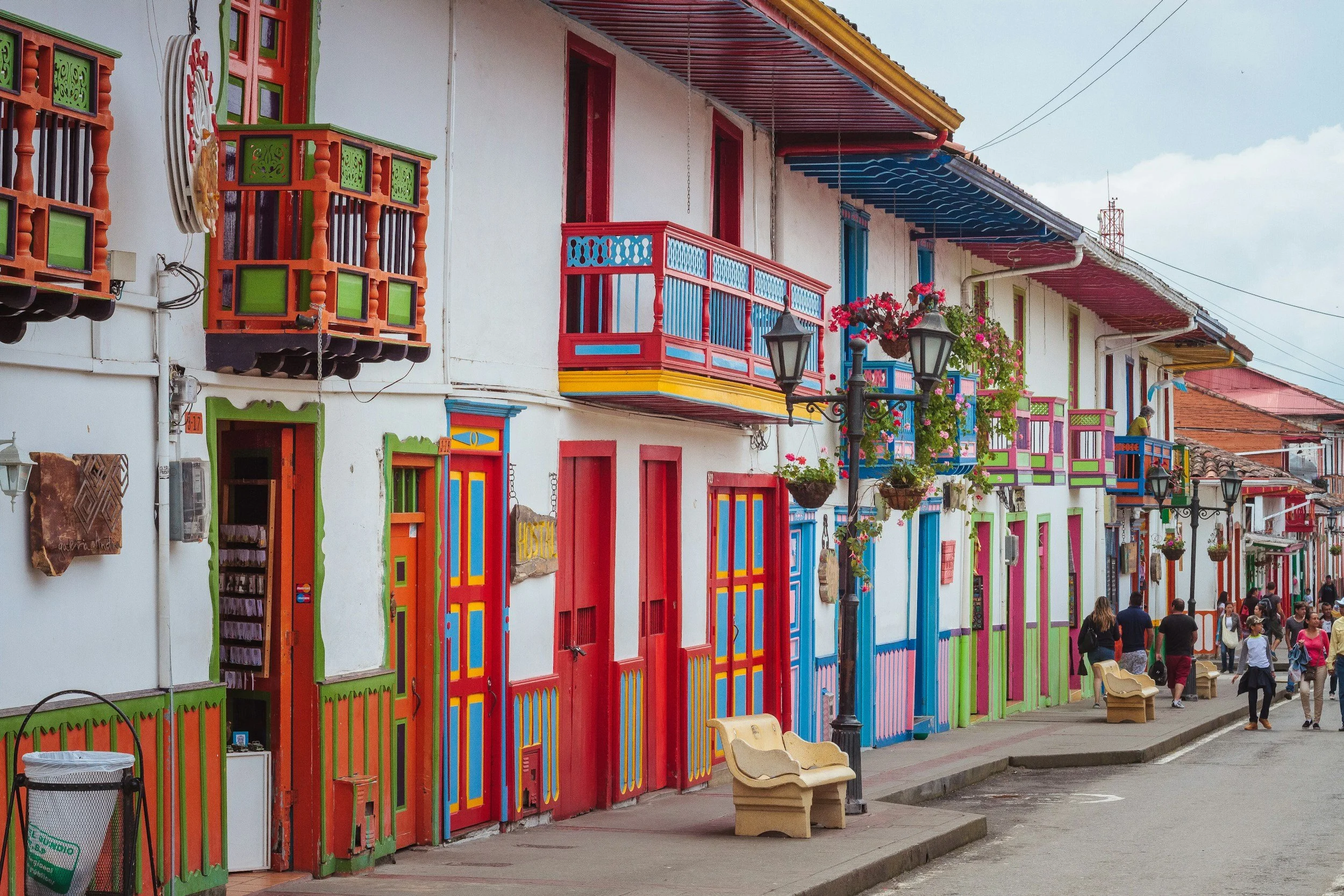
Jardín offers a glimpse into a more traditional side of Antioquia, where coffee farms, forests, and small-town life remain closely intertwined. Colorful balconies frame a lively central plaza, while the surrounding countryside is rich in birdlife and waterfalls. It is a place where everyday life still feels closely connected to the land.
-
Jericó combines deep-rooted traditions with a growing creative spirit. Known for its religious heritage, colorful streets, leather craftsmanship, and coffee culture, the town has a strong sense of identity that extends beyond its picturesque setting. Local artisans and makers are giving new energy to a place where tradition remains firmly present.
-
Santa Fe de Antioquia preserves the atmosphere of one of Colombia’s oldest colonial settlements. Whitewashed buildings, cobbled streets, wooden balconies, and tropical vegetation give it a distinctly warmer character than the mountain towns nearby. Its history is woven into the architecture and quiet rhythm of daily life.
-
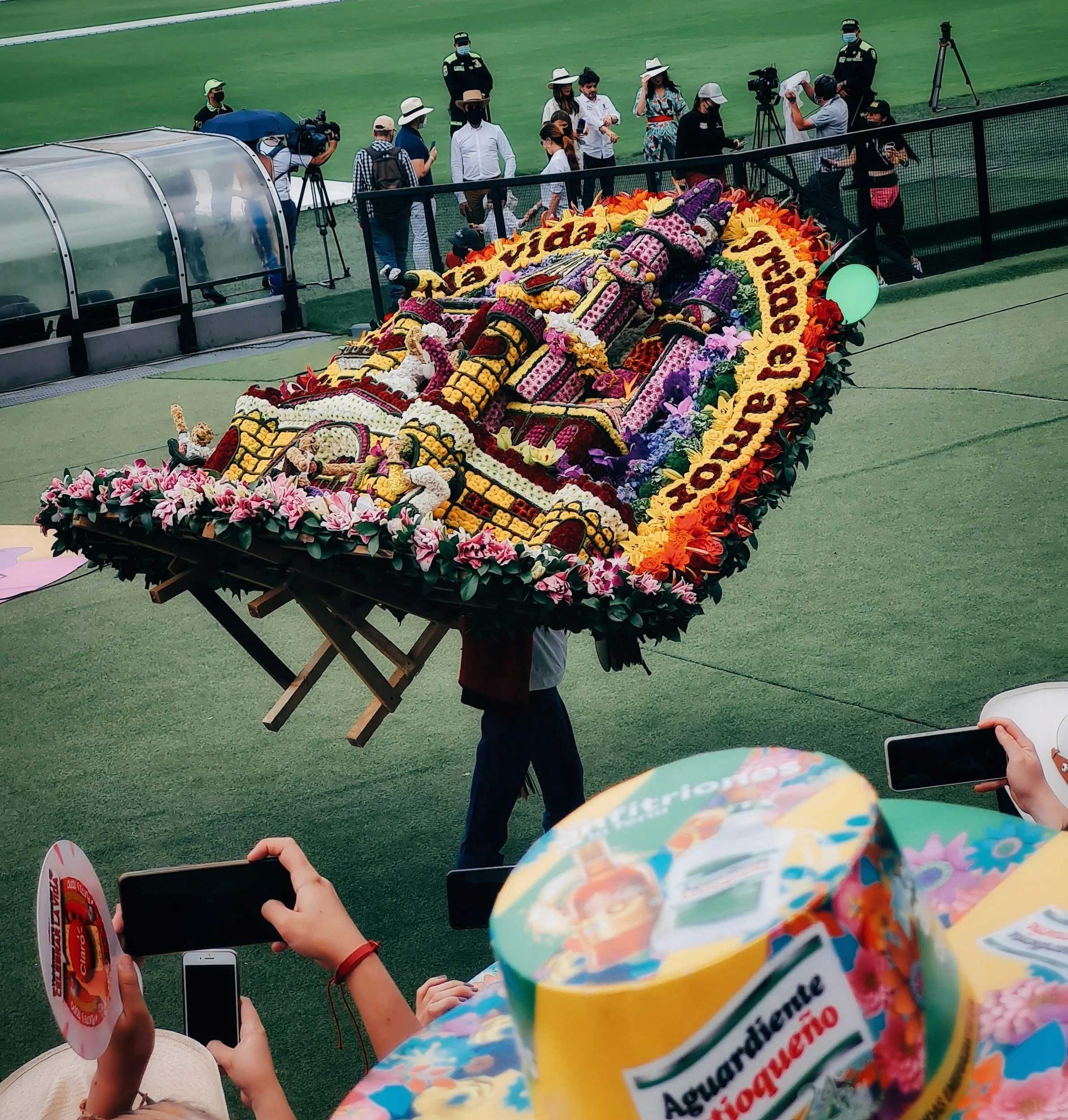
In the hills above Medellín, Santa Elena offers a closer look at the rural traditions of Antioquia. It is home to the silleteros, the flower growers whose elaborate arrangements have become one of Colombia’s most recognizable cultural traditions. Forests, farms, and small communities remain at the heart of life here.
COFFEE REGION
Coffee country is shaped by the relationship between people and the land, from generations of farmers to the small towns that have grown around them. Beyond the coffee itself, the region reveals a Colombia of craftsmanship, hospitality, rural traditions, and remarkable landscapes.
-
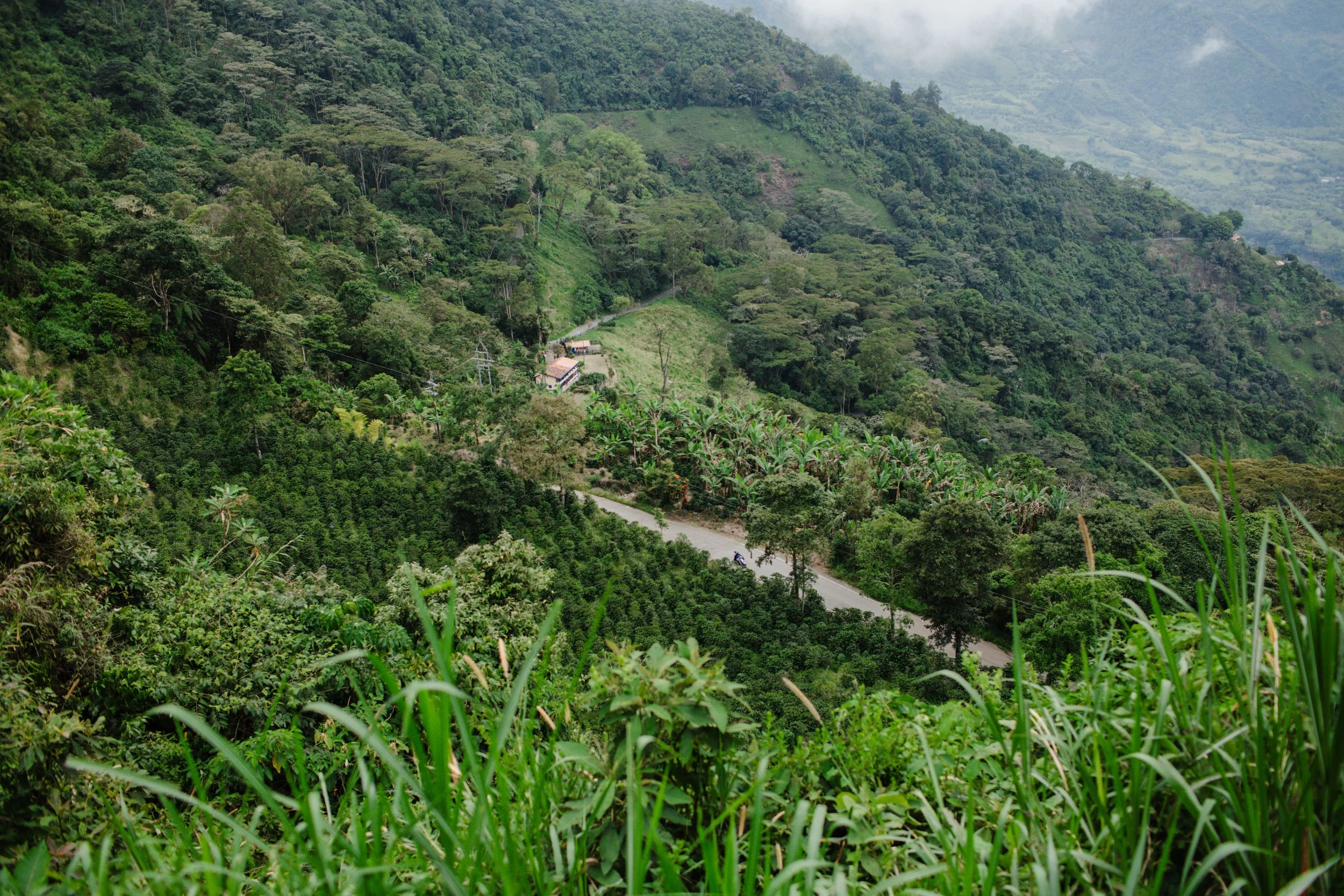
Colombia’s Coffee Region is shaped by generations of coffee growers, family farms, and a deep connection to the land. Coffee is more than an export here—it is part of everyday life, passed from one generation to the next. Beyond the plantations, the region’s hospitality, craftsmanship, and rural traditions reveal a distinctly Colombian way of life.
-
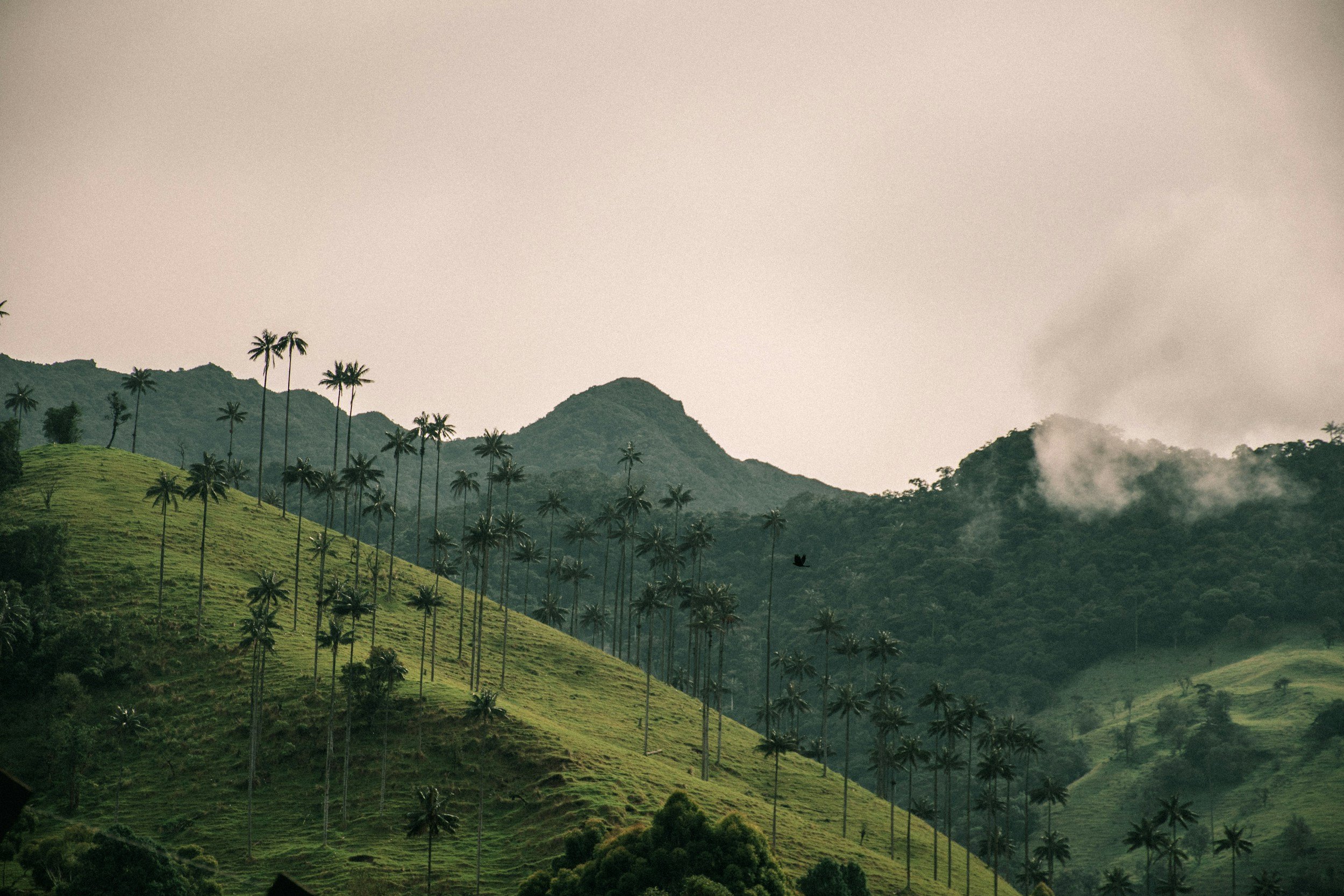
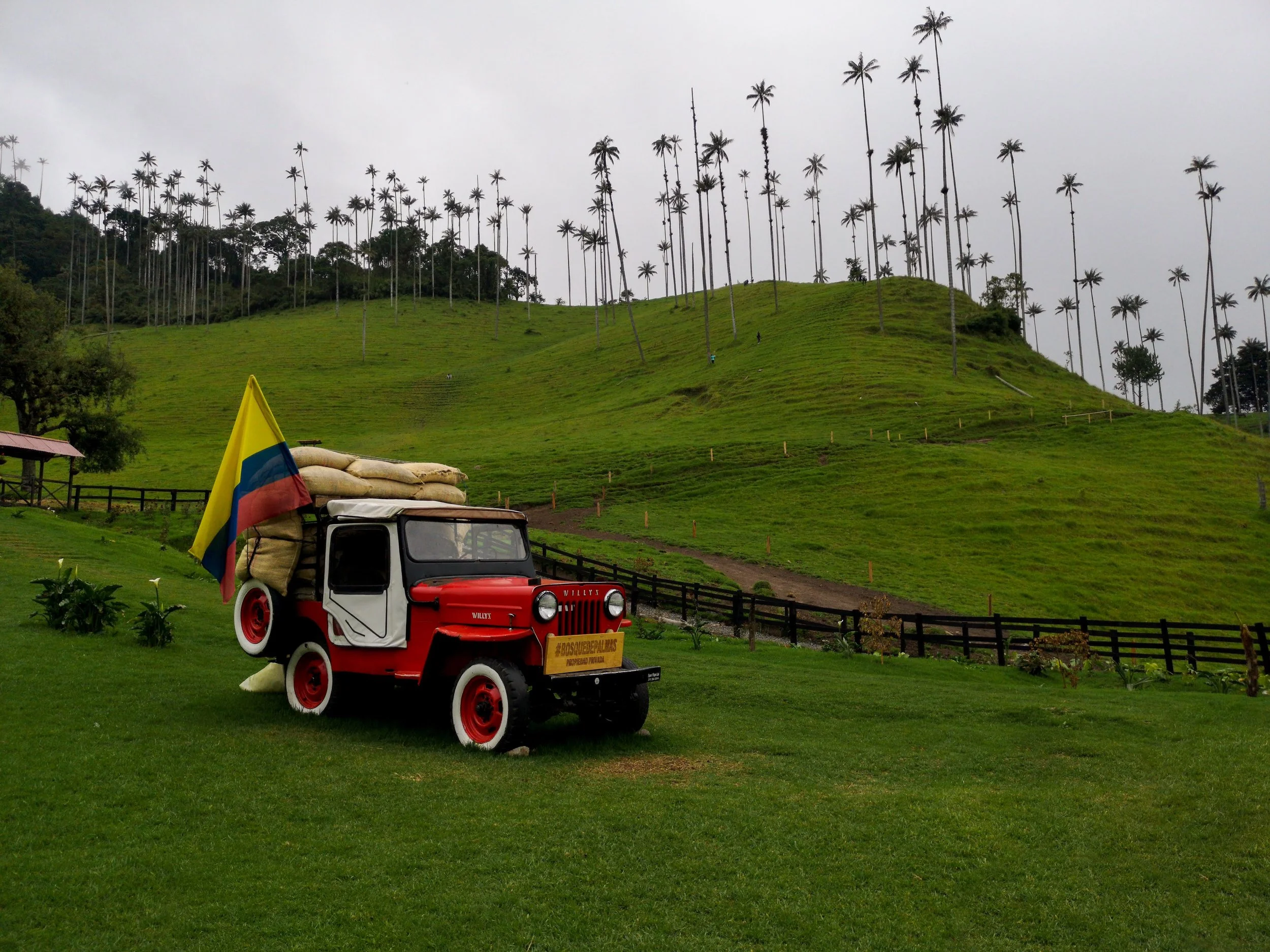
Salento is one of the region’s most recognizable towns, known for its colorful facades, traditional yipao jeeps, and proximity to the towering wax palms of the Cocora Valley. Its streets are lively and welcoming, while the surrounding countryside offers a glimpse into the traditions and rhythms of coffee country.
-
Filandia has a quieter, more creative character, with beautifully kept traditional houses, local crafts, and a strong sense of community. Its panoramic viewpoint and colorful streets have made it a favorite for exploring the region, while a new generation of makers and chefs is bringing fresh energy to the town.
-
Calarcá offers a different window into Quindío, particularly through its botanical heritage and connection to the region’s agricultural traditions. Its festivals celebrate the yipao, local crafts, and rural culture, revealing the ingenuity and pride that remain central to life in the department.
-
Named after the Indigenous people who inhabited these lands long before the Spanish arrival, Quimbaya carries an important connection to the region’s history. Today, coffee, agriculture, and local traditions remain central to its identity, offering a quieter an more local perspective on Quindío.
AMAZON & WILD COLOMBIA

Some of Colombia’s most extraordinary places lie far from its cities, where rivers become roads and nature sets the pace. These remote landscapes reveal an immense biodiversity alongside Indigenous cultures and ways of life deeply connected to the territory.
-
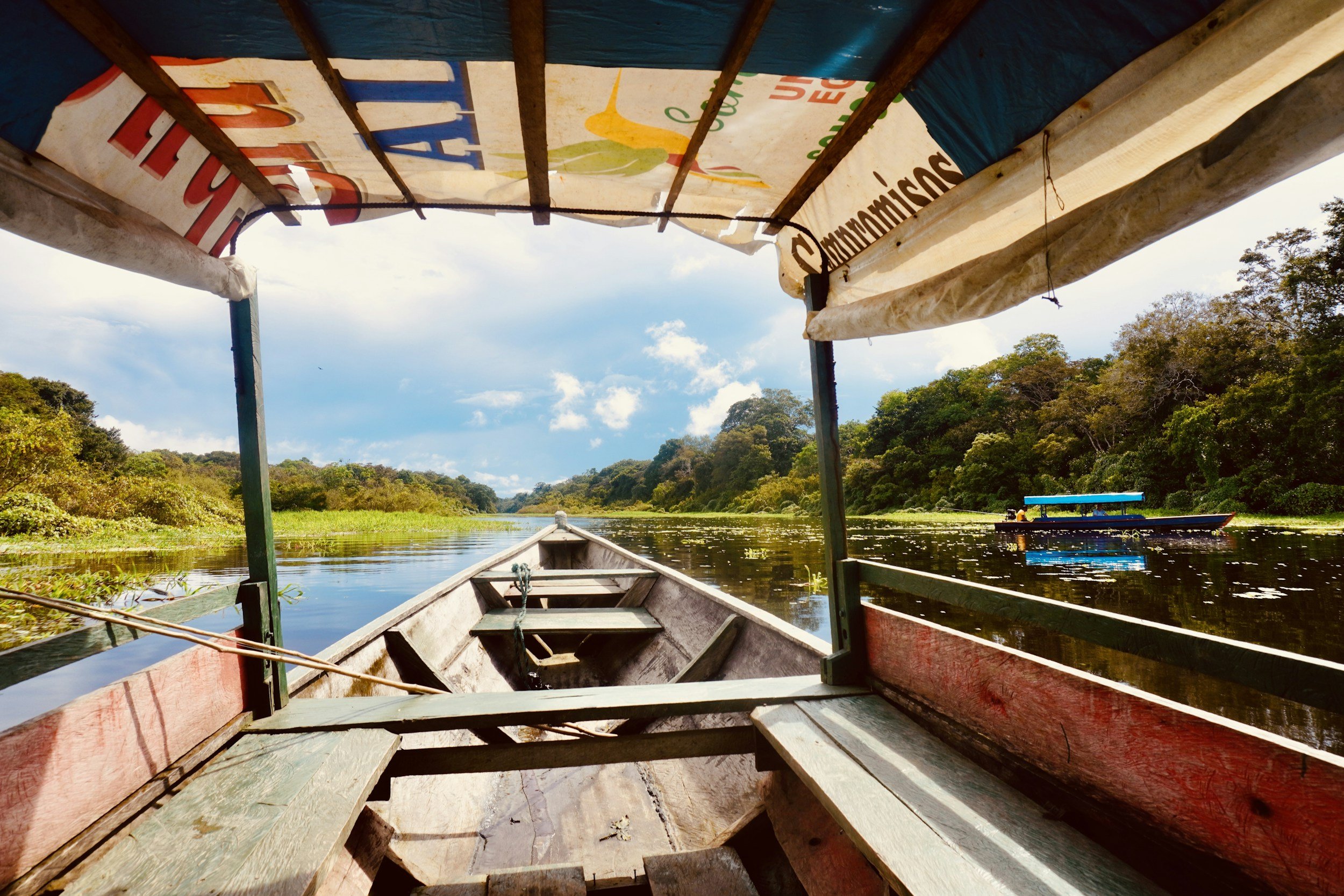
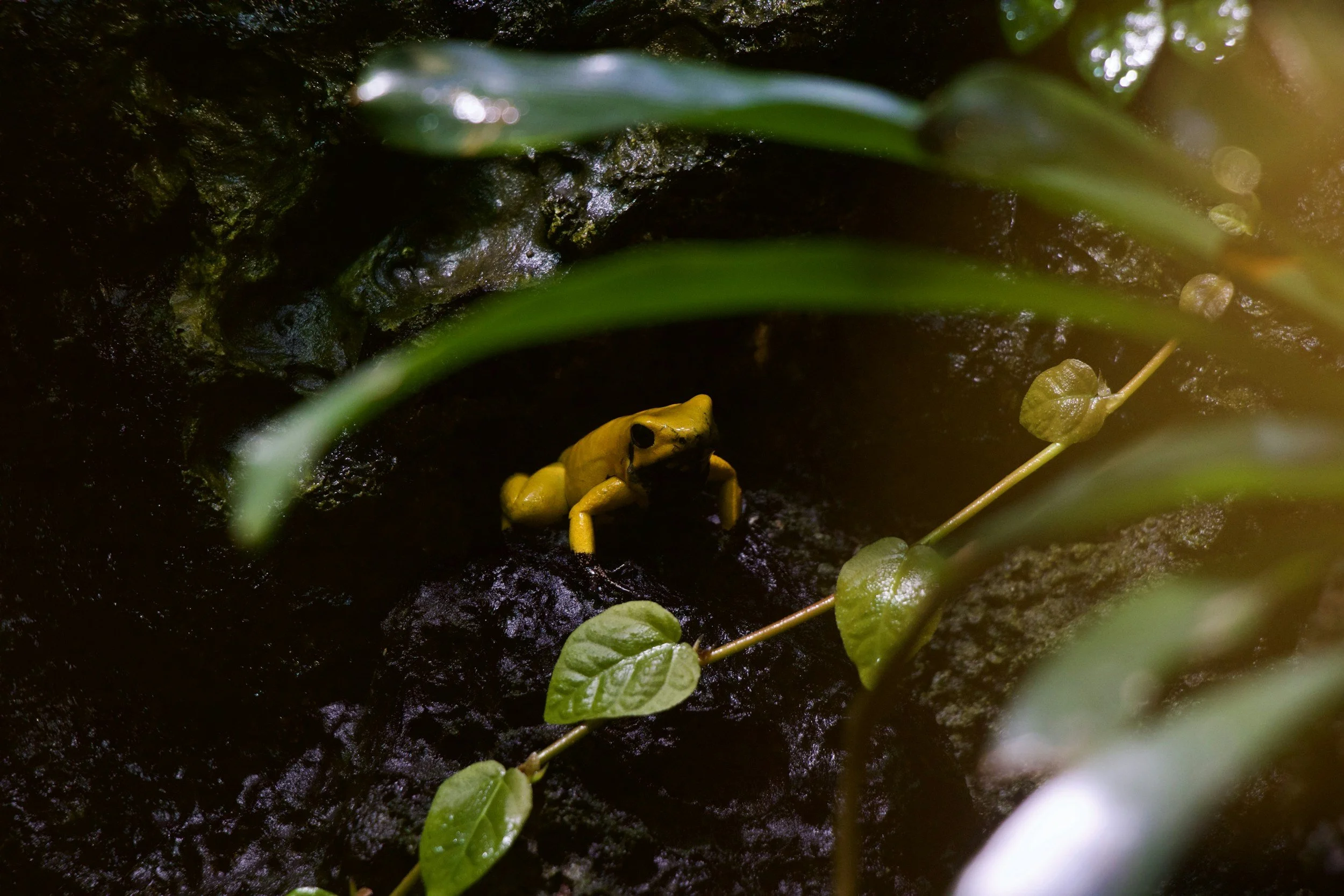
In the Colombian Amazon, the river becomes the road and the rainforest sets the rhythm of life. Extraordinary biodiversity shares the landscape with Indigenous communities whose knowledge and traditions remain closely connected to the forest. It is a place experienced less through a list of sights than through immersion in a completely different environment.
-
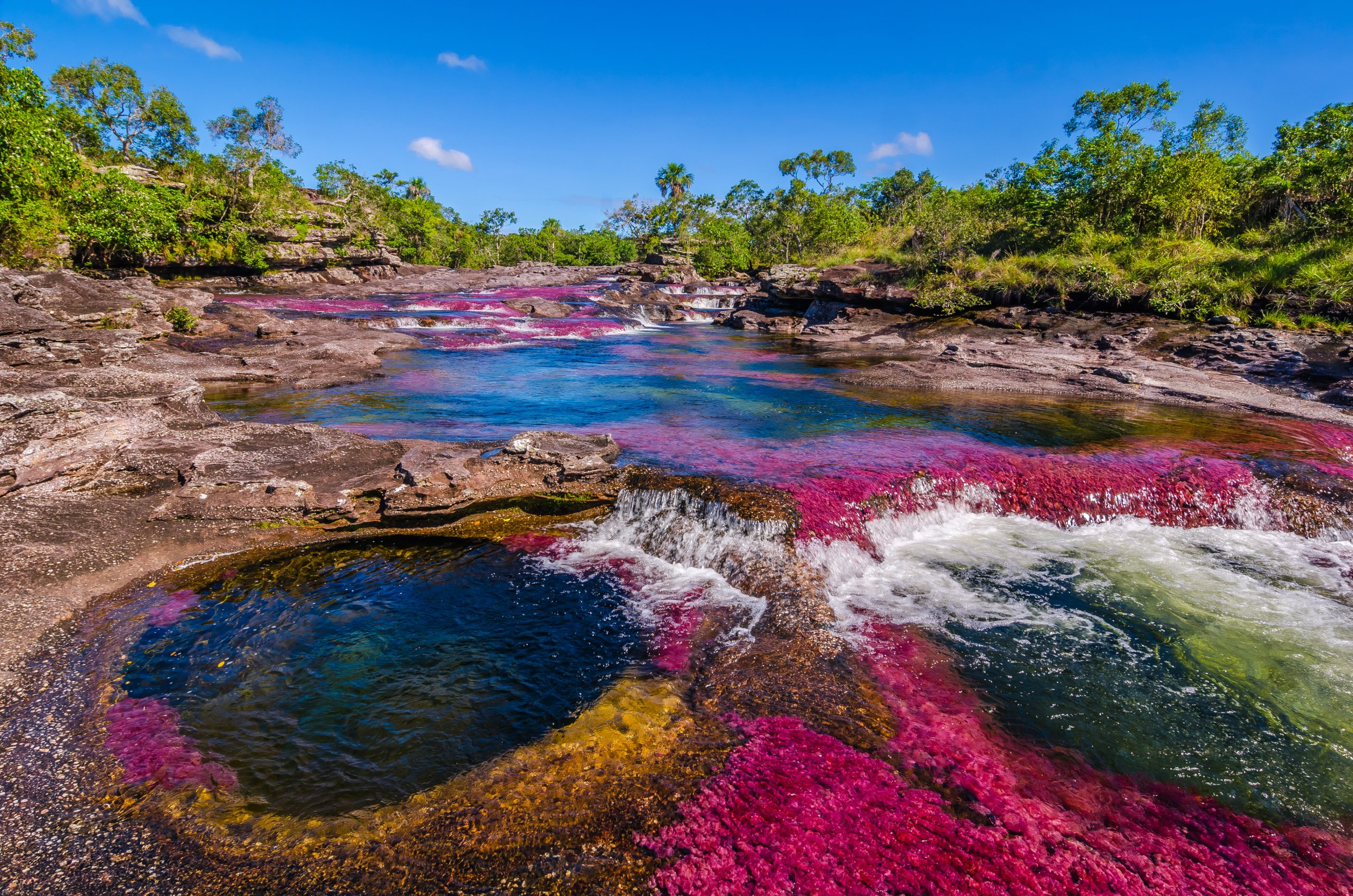
For part of the year, Caño Cristales takes on striking shades of red, yellow, green, and blue thanks to a unique aquatic plant found in its riverbed. In the remote landscapes of La Macarena, rainforest, savanna, and mountains meet, creating one of Colombia’s most unusual natural environments. Its beauty is remarkable precisely because of how wild and remote it remains.
PACIFIC SOUTHWEST

Coffee country is shaped by the relationship between people and the land, from generations of farmers to the small towns that have grown around them. Beyond the coffee itself, the region reveals a Colombia of craftsmanship, hospitality, rural traditions, and remarkable landscapes.
-
Cali moves with an energy that feels both effortless and deeply rooted, where music, dance, and warm afternoons shape the rhythm of the city. Salsa is part of everyday life, but its culture extends into food, art, and a rich Afro-Colombian heritage. Surrounded by the mountains of the Cauca Valley, Cali offers one of the most distinctly human sides of Colombia.
-
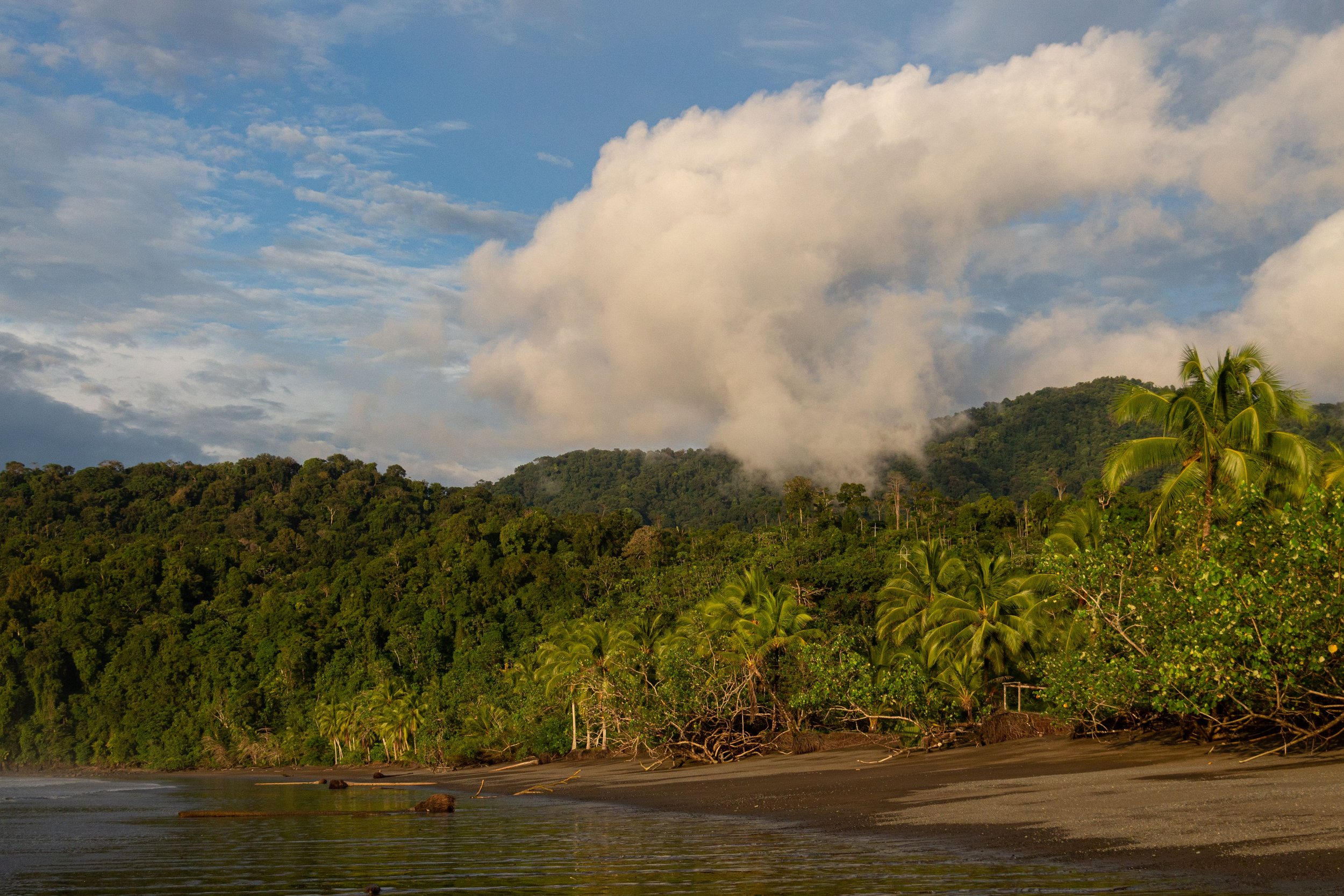
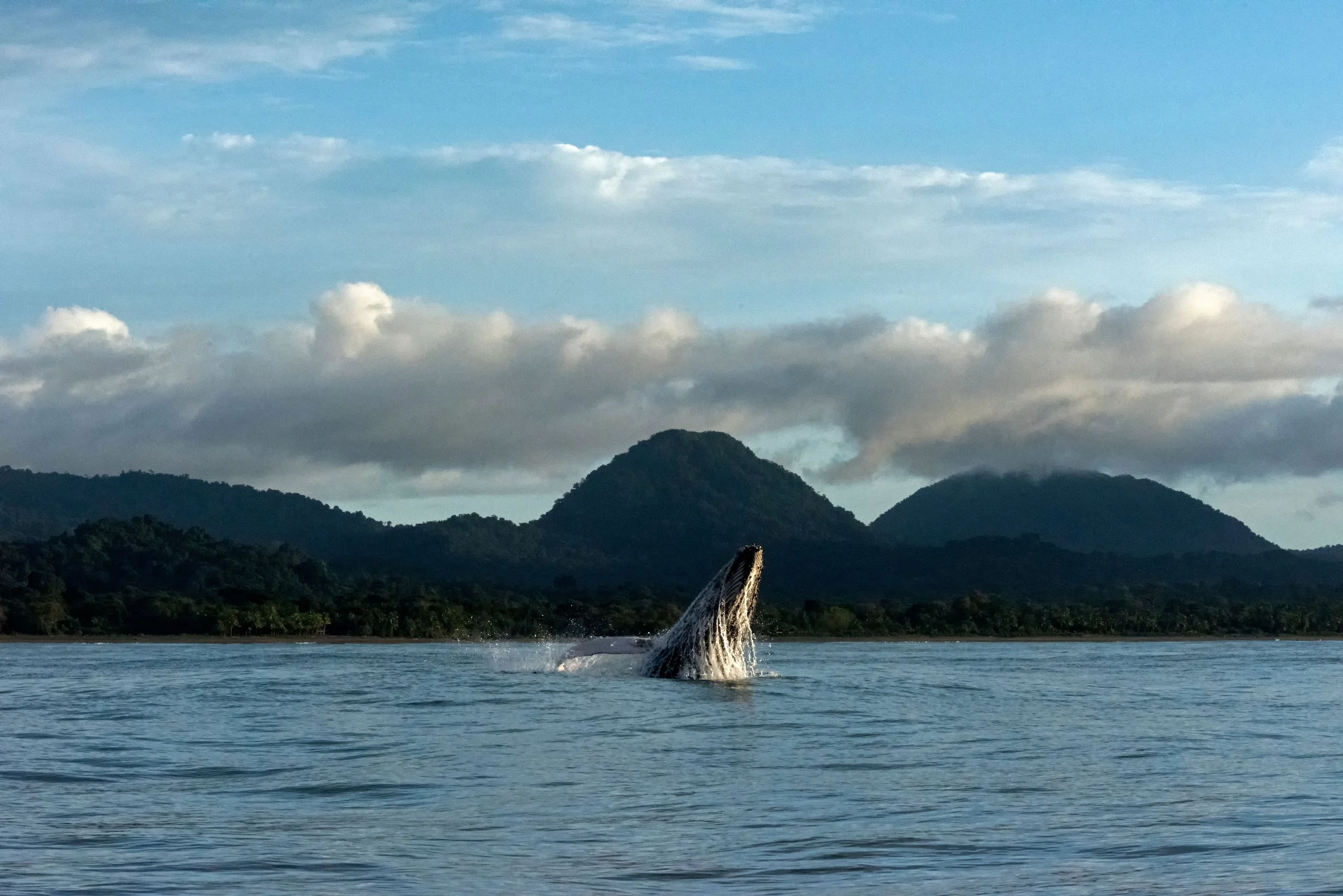
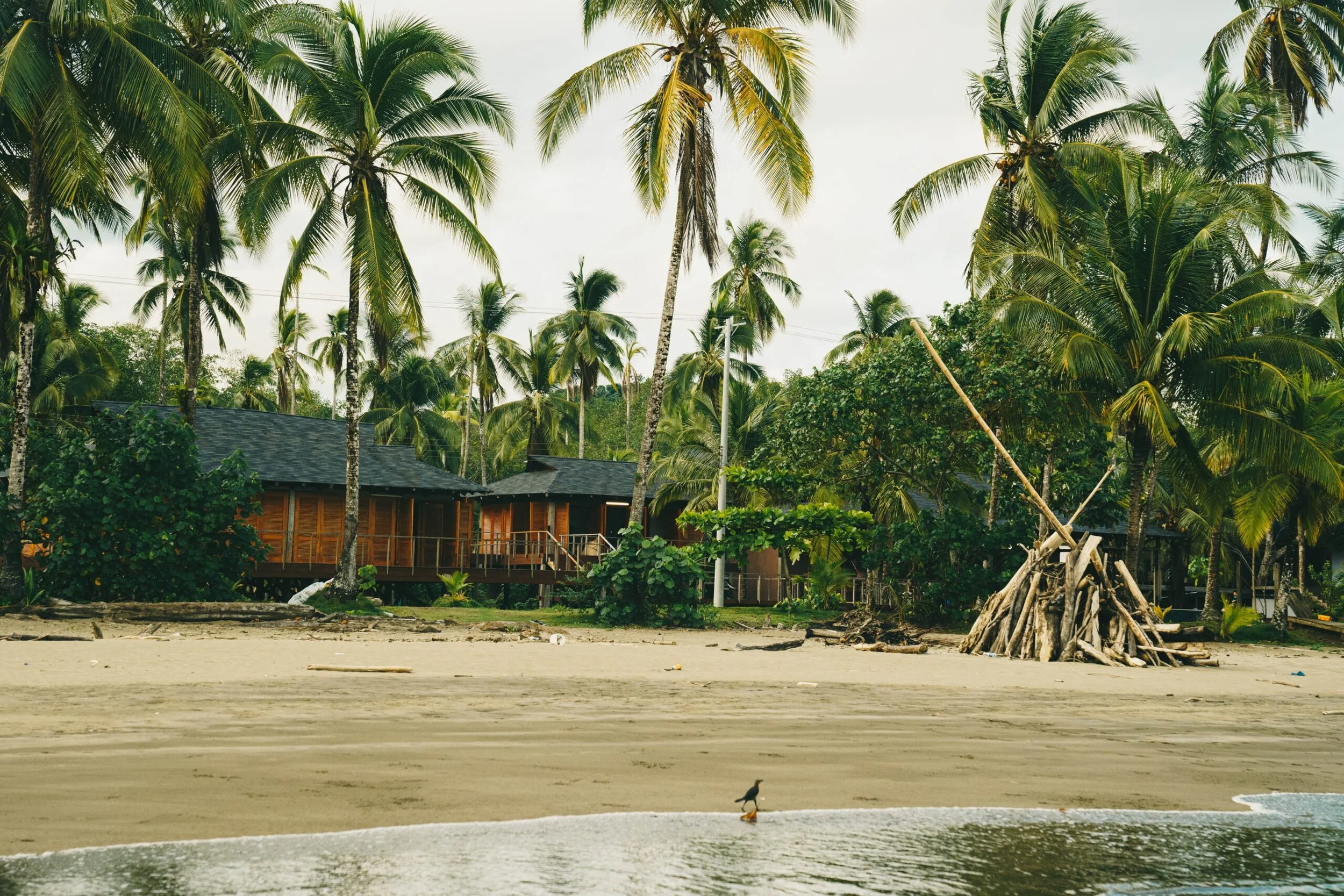
Nuquí sits where dense rainforest meets Colombia’s wild Pacific coast, in a landscape shaped by powerful tides, warm waters, and jungle. Afro-Colombian communities remain closely connected to the sea and forest, while humpback whales visit its waters seasonally. Remote and unhurried, Nuquí offers a different relationship with nature—one where the landscape itself becomes the experience.
Custom journeys
tailored to each traveler
MORE THAN AN ORDINARY TRAVEL TOUR